

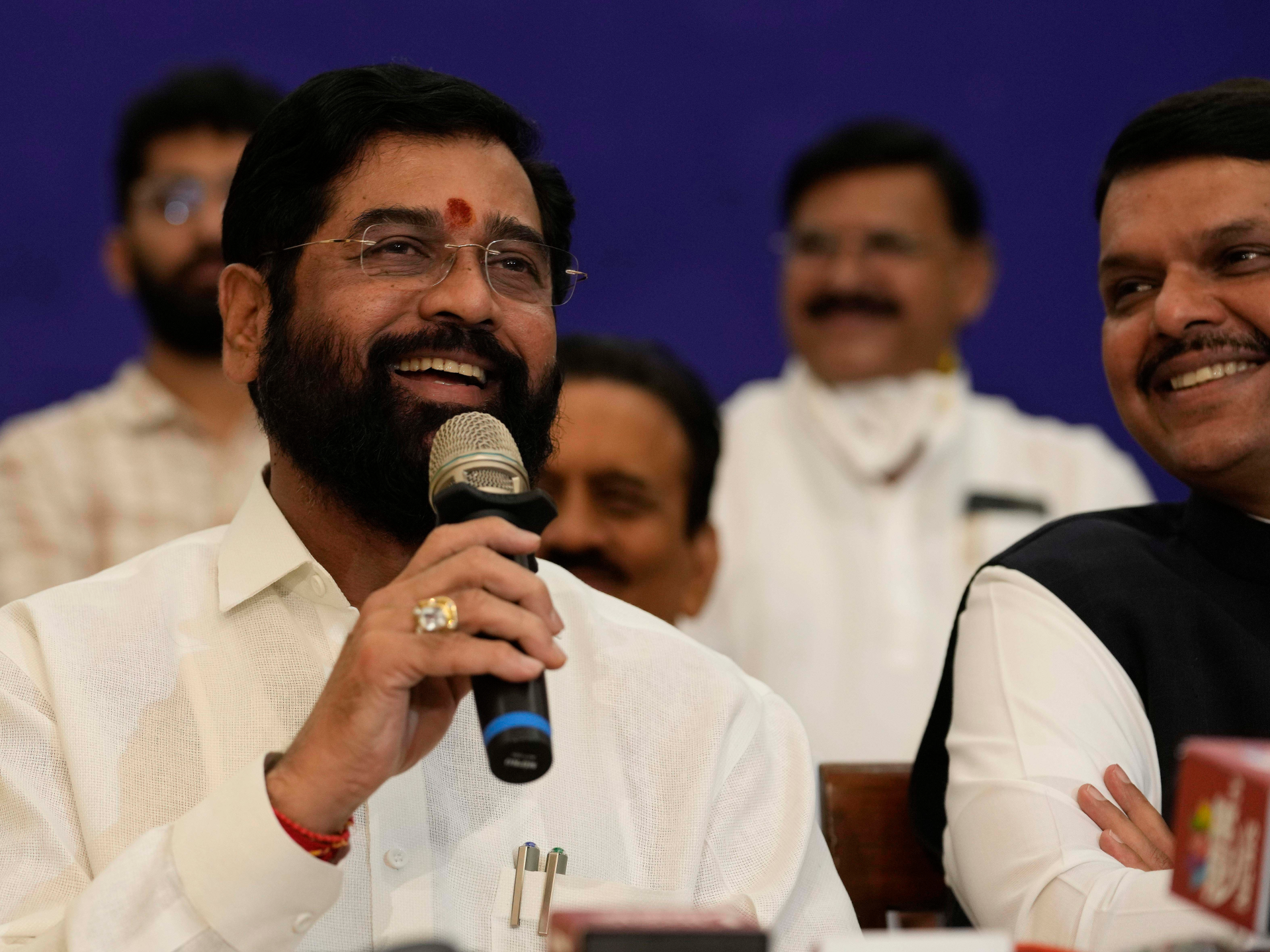
Maharashtra’s politics is still unsettled, but one thing is clear from the recent civic body elections: the Bharatiya Janata Party (BJP) is gaining strength. The results show that the party, led in the State by Chief Minister Devendra Fadnavis, is expanding its influence, especially in cities.
For years, different factions of the Shiv Sena have claimed the legacy of Balasaheb Thackeray, whose politics mixed Marathi pride with Hindu identity. However, the BJP has been more successful in adapting this style of politics to today’s realities. Cities like Mumbai now have large migrant populations, which has weakened the Sena’s traditional “sons of the soil” politics. The BJP has appealed to these new voters, especially Hindi-speaking migrants, while also using religious identity to mobilise support.
In the civic elections, the BJP won about 1,425 of the 2,869 corporator seats across 29 municipal corporations. Its ally, the Eknath Shinde-led Shiv Sena, also performed well, except in Mumbai. Together, they took control of the Brihanmumbai Municipal Corporation (BMC), ending Uddhav Thackeray’s 25-year rule there. The BJP also became the largest party in major cities such as Pune, Nagpur, Nashik and Navi Mumbai.
The opposition parties struggled. The Nationalist Congress Party (NCP) remained divided between the factions led by Ajit Pawar and Sharad Pawar, cooperating only in their strongholds like Pune and Pimpri Chinchwad. Uddhav Thackeray and Raj Thackeray reunited after many years to regain influence in Mumbai and Nashik, but their effort failed. Both the Thackeray and Pawar families performed poorly.
The Congress won in a few places such as Latur, Bhiwandi and Chandrapur, but it is still far from making a strong comeback. It is also facing competition from the AIMIM in Muslim-majority areas. Still, voters seem tired of family-based politics, which could give the Congress some space to rebuild.
For the BJP, the results strengthen Devendra Fadnavis’s position as a powerful leader. However, while the party has benefited from changes in population and voting patterns, replacing regional pride with religious polarisation is not healthy for the State. Maharashtra needs more inclusive politics that bring different communities together.
 niteshdgcg@gmail.com